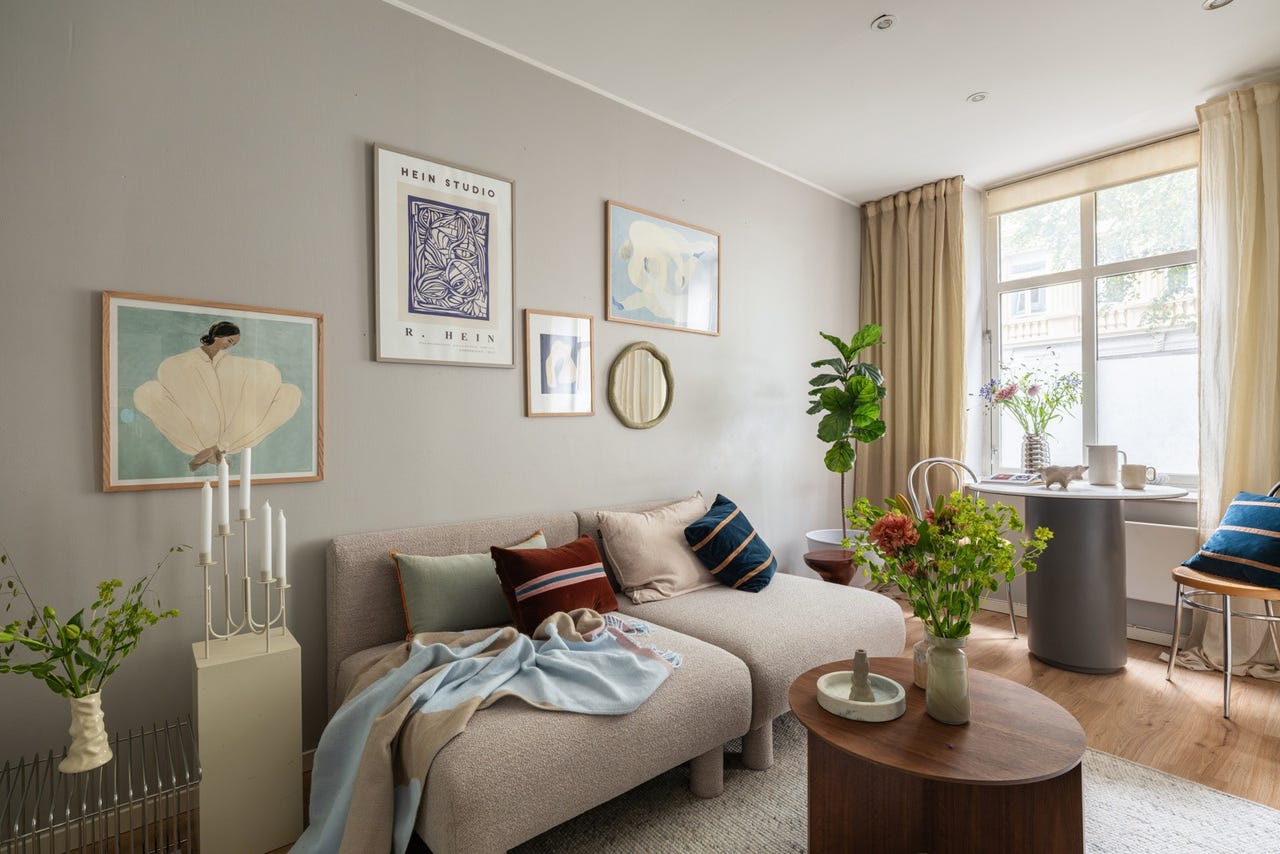
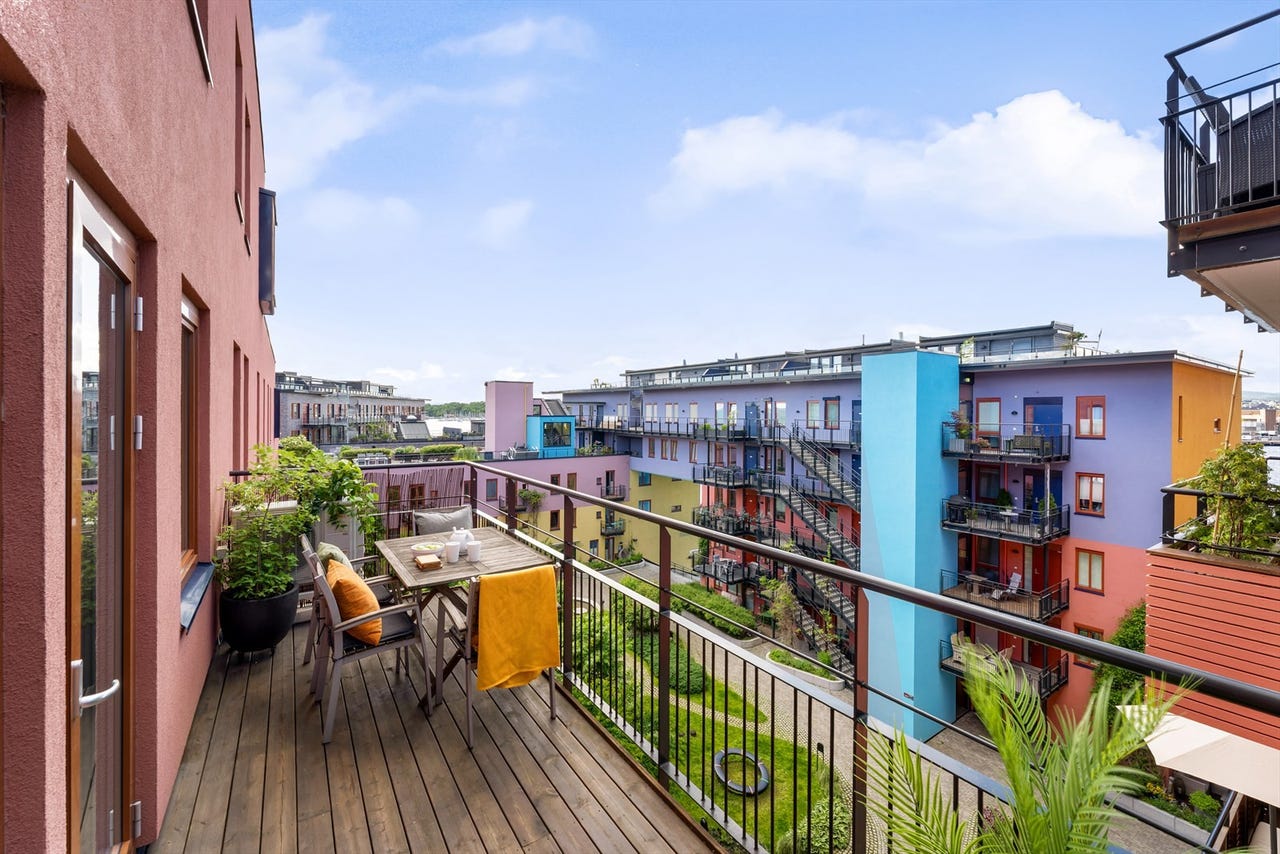
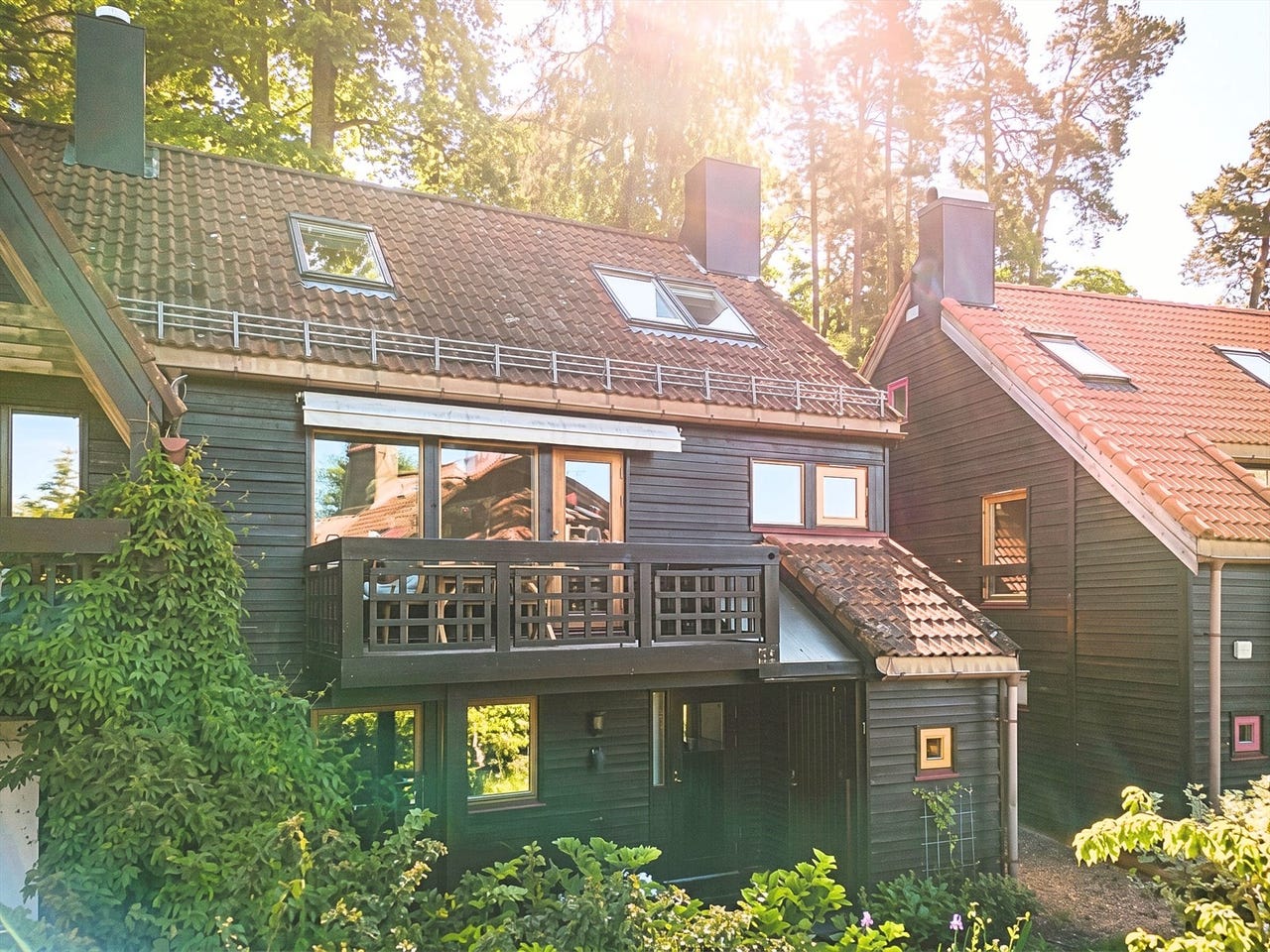
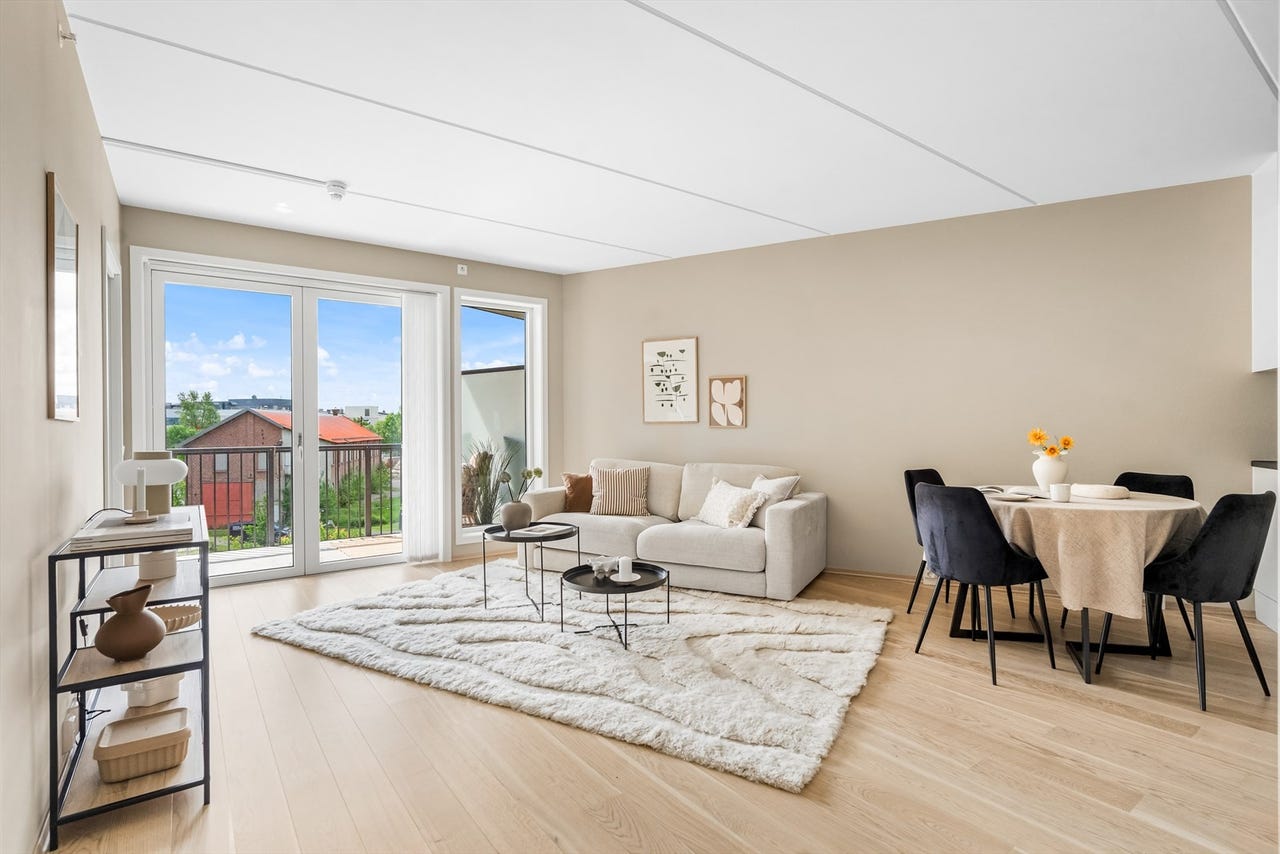
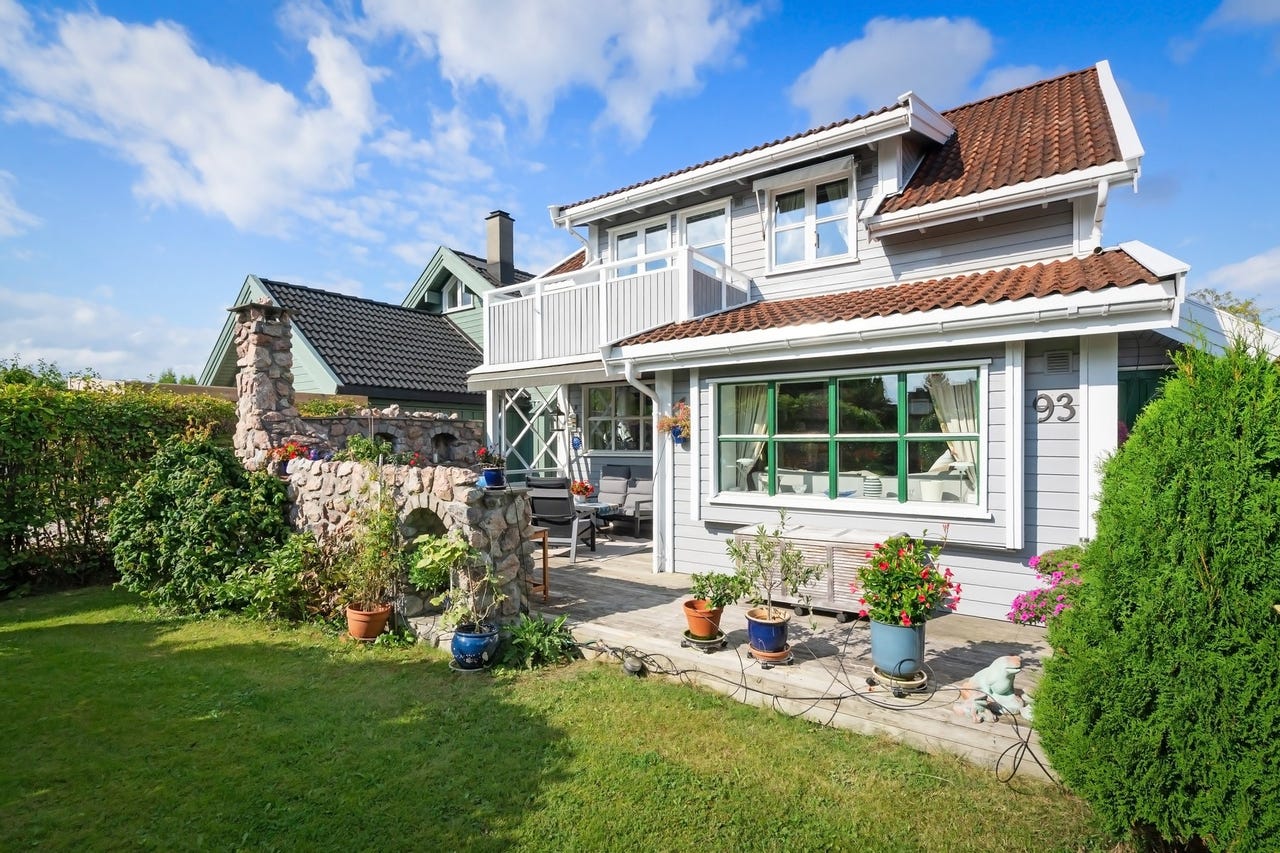
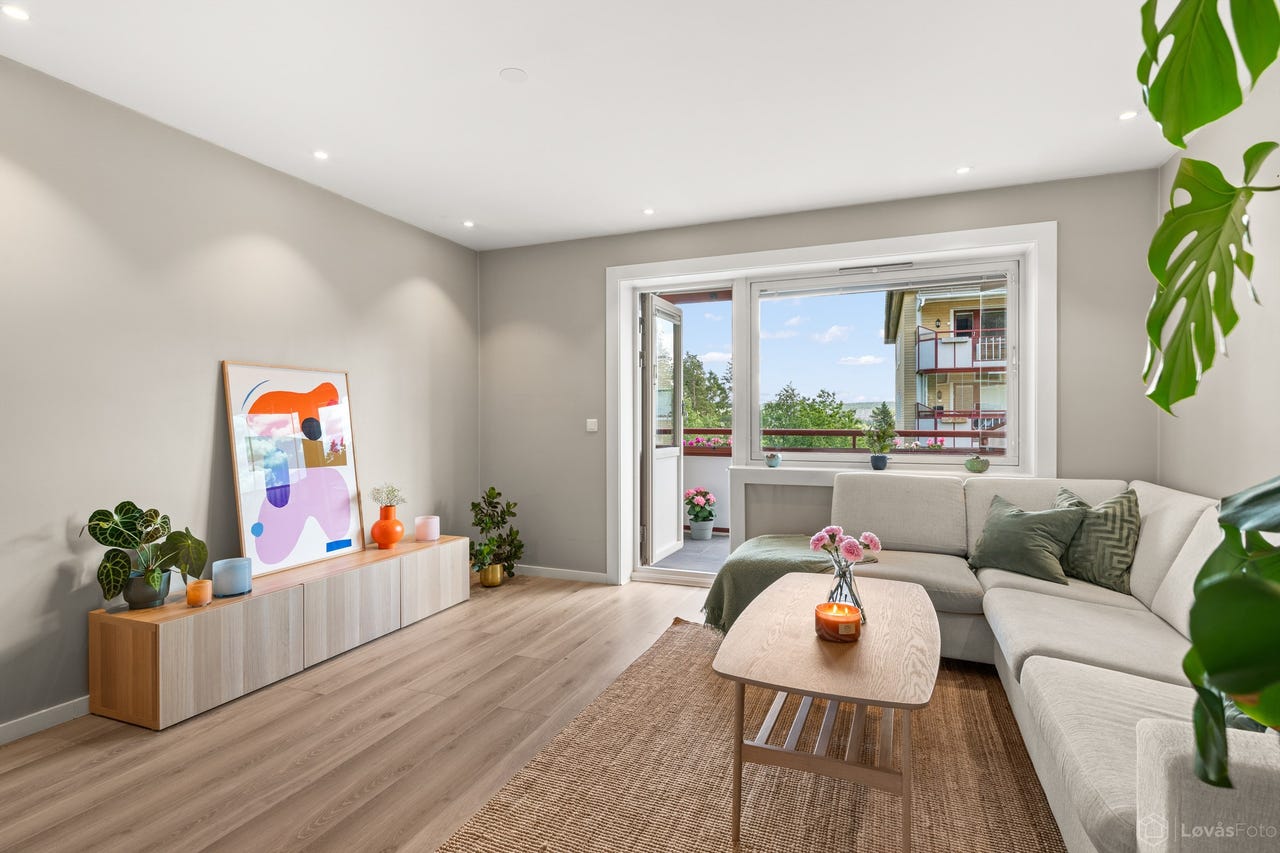
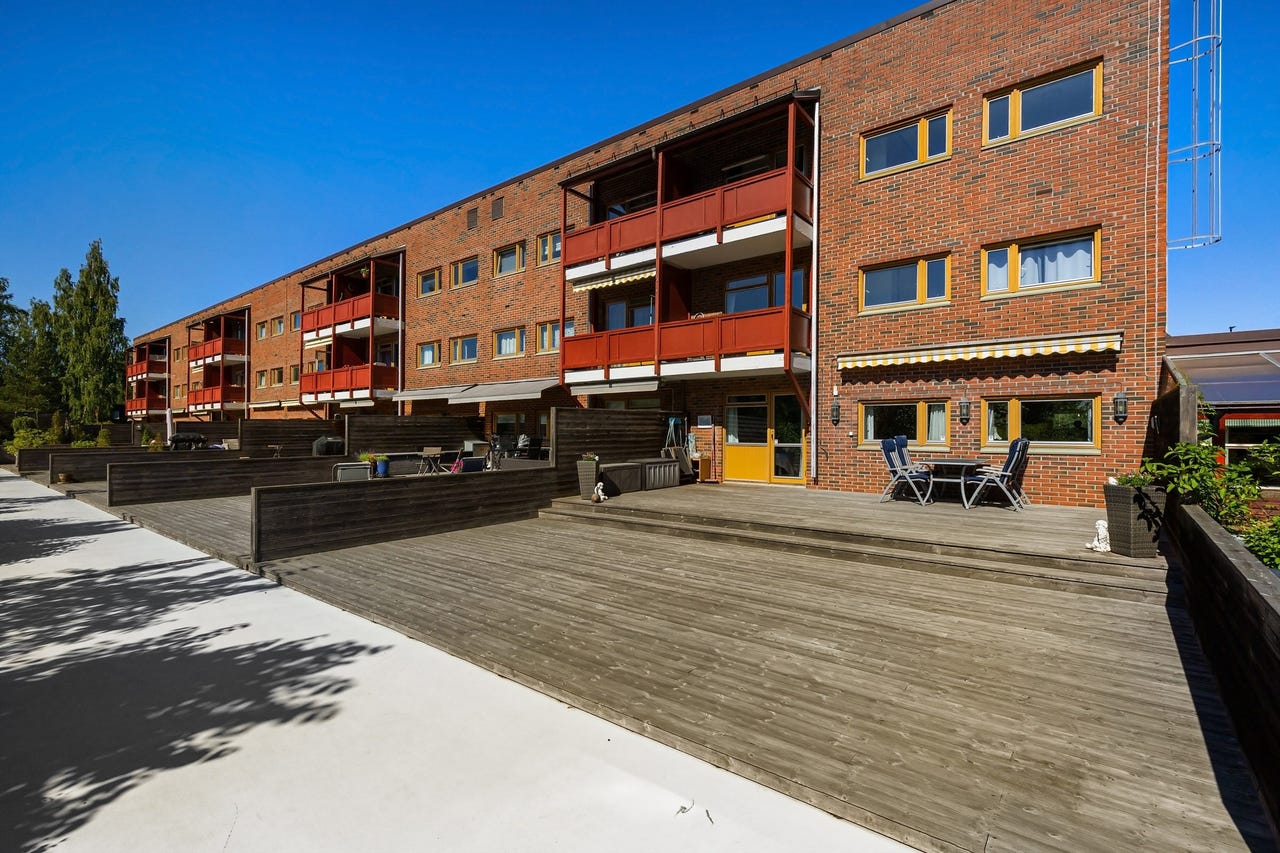
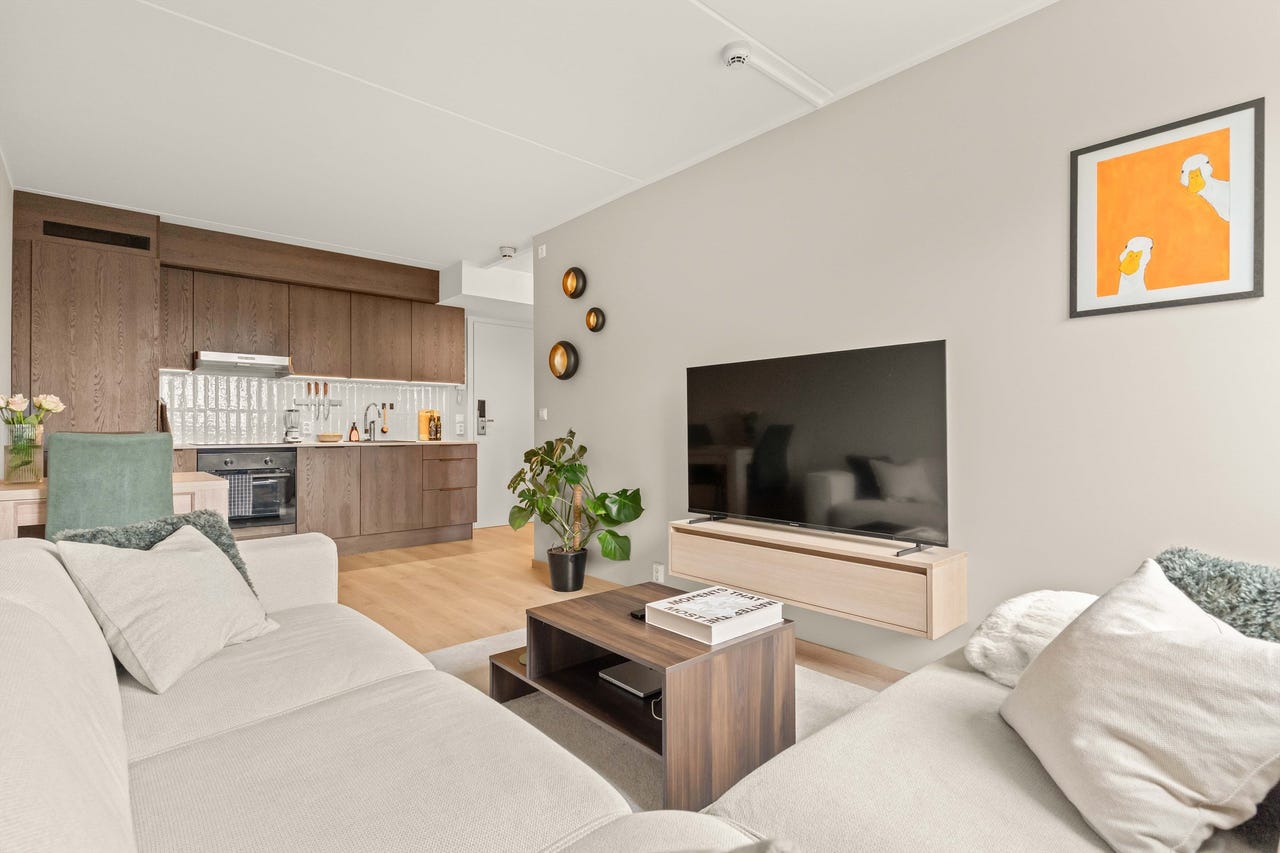
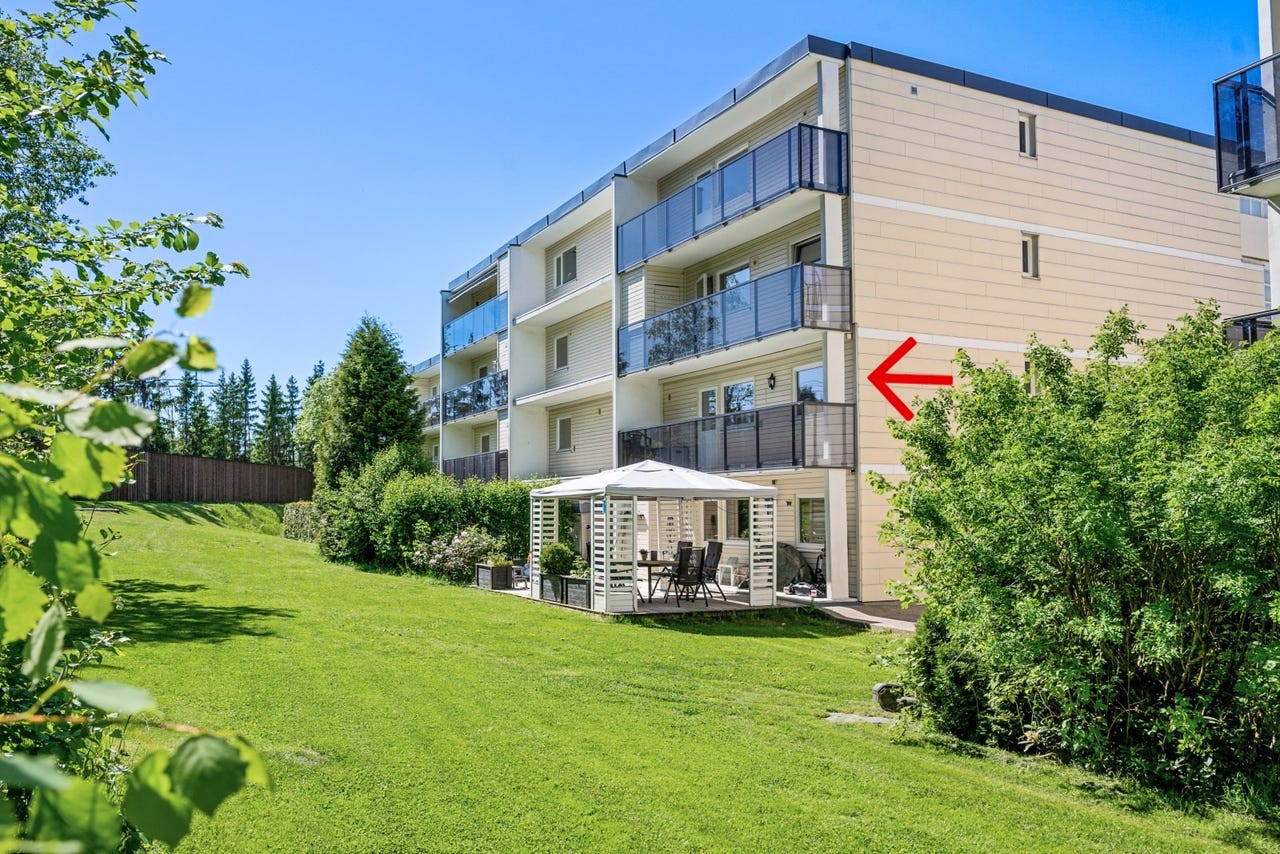
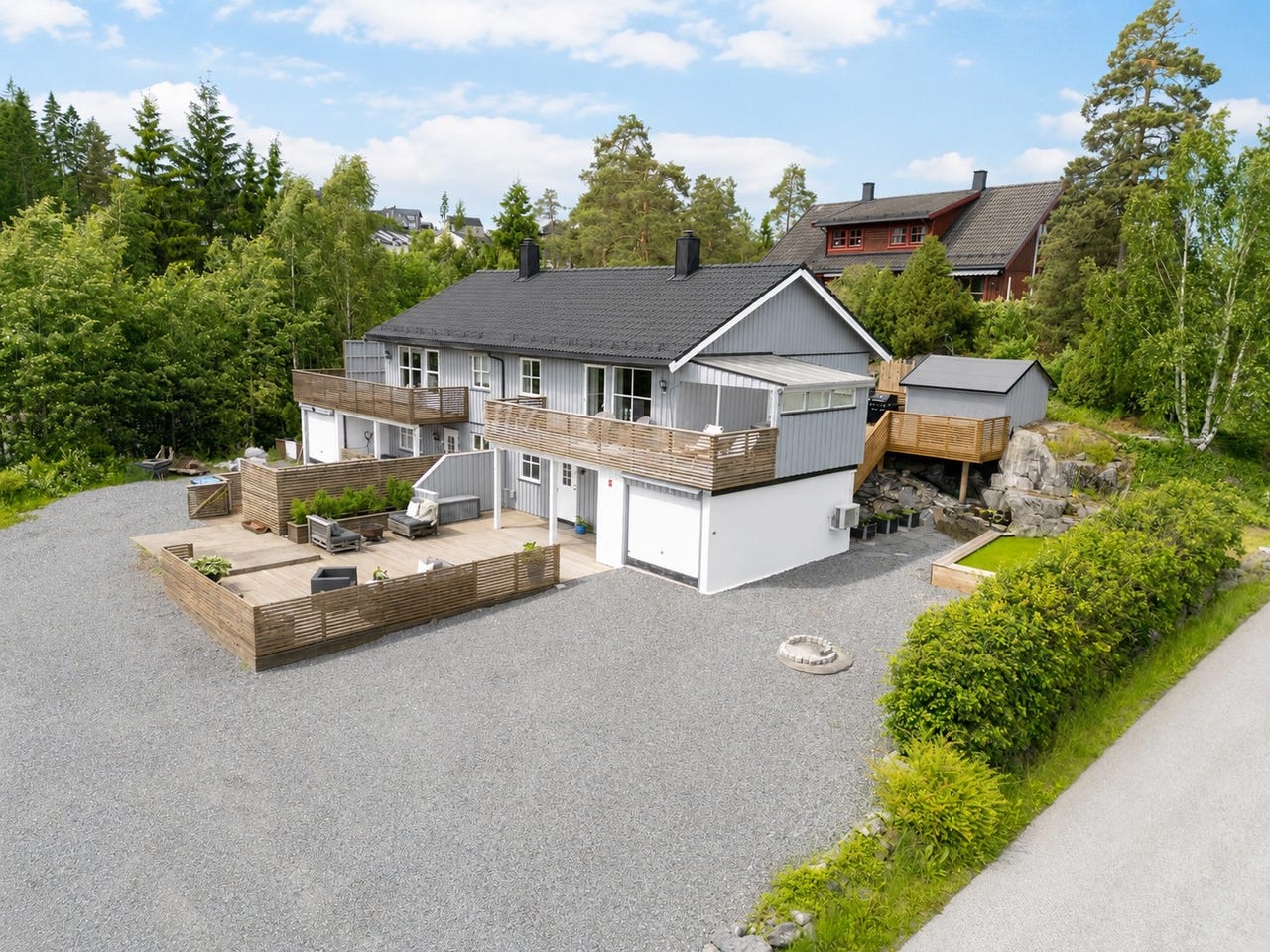
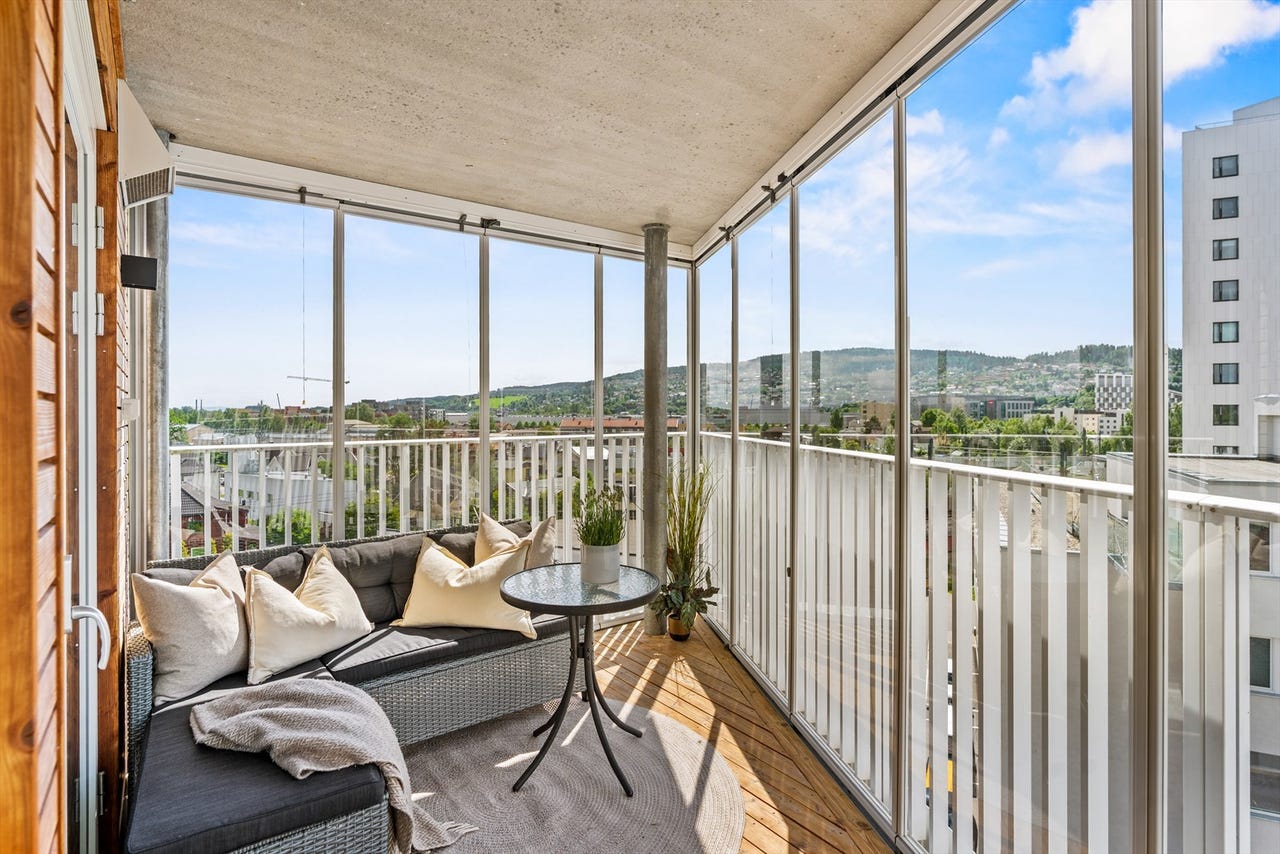
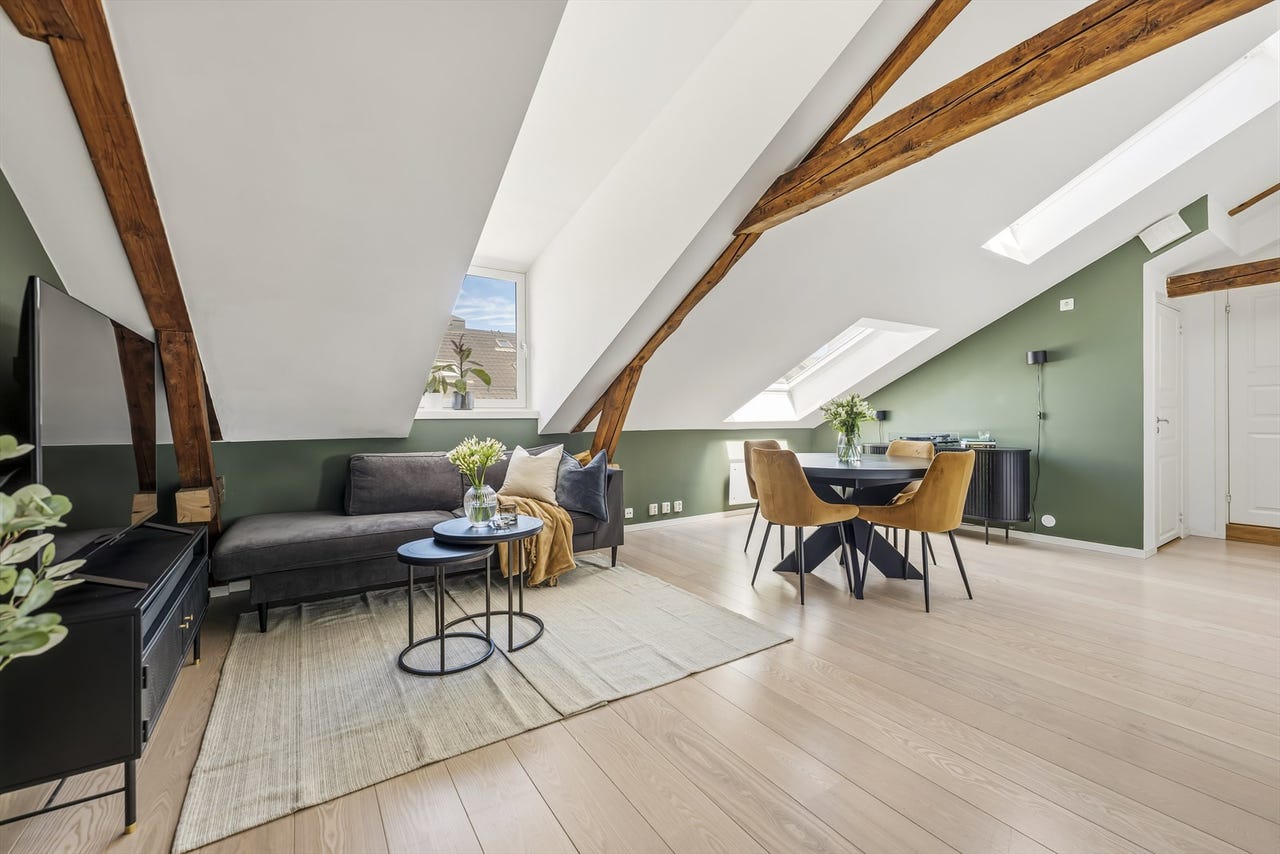
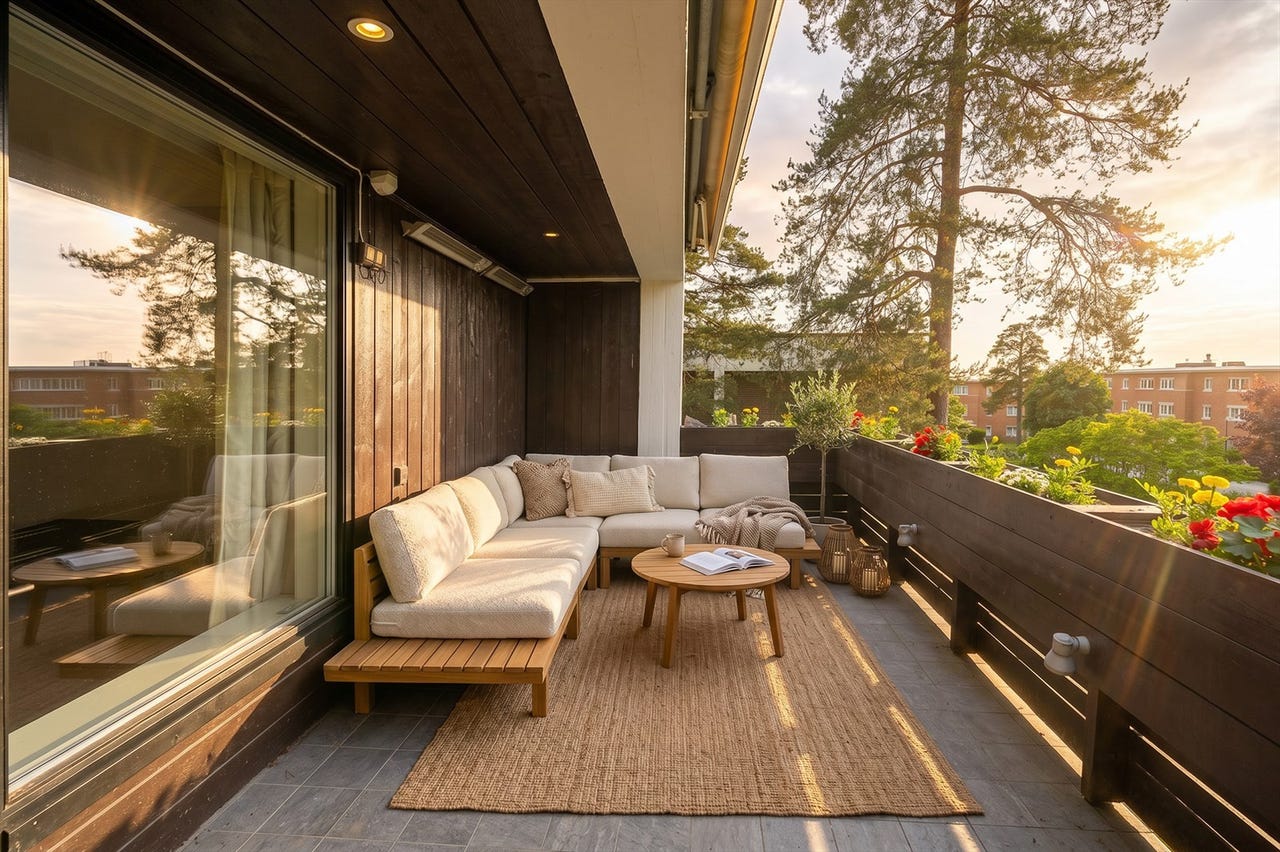
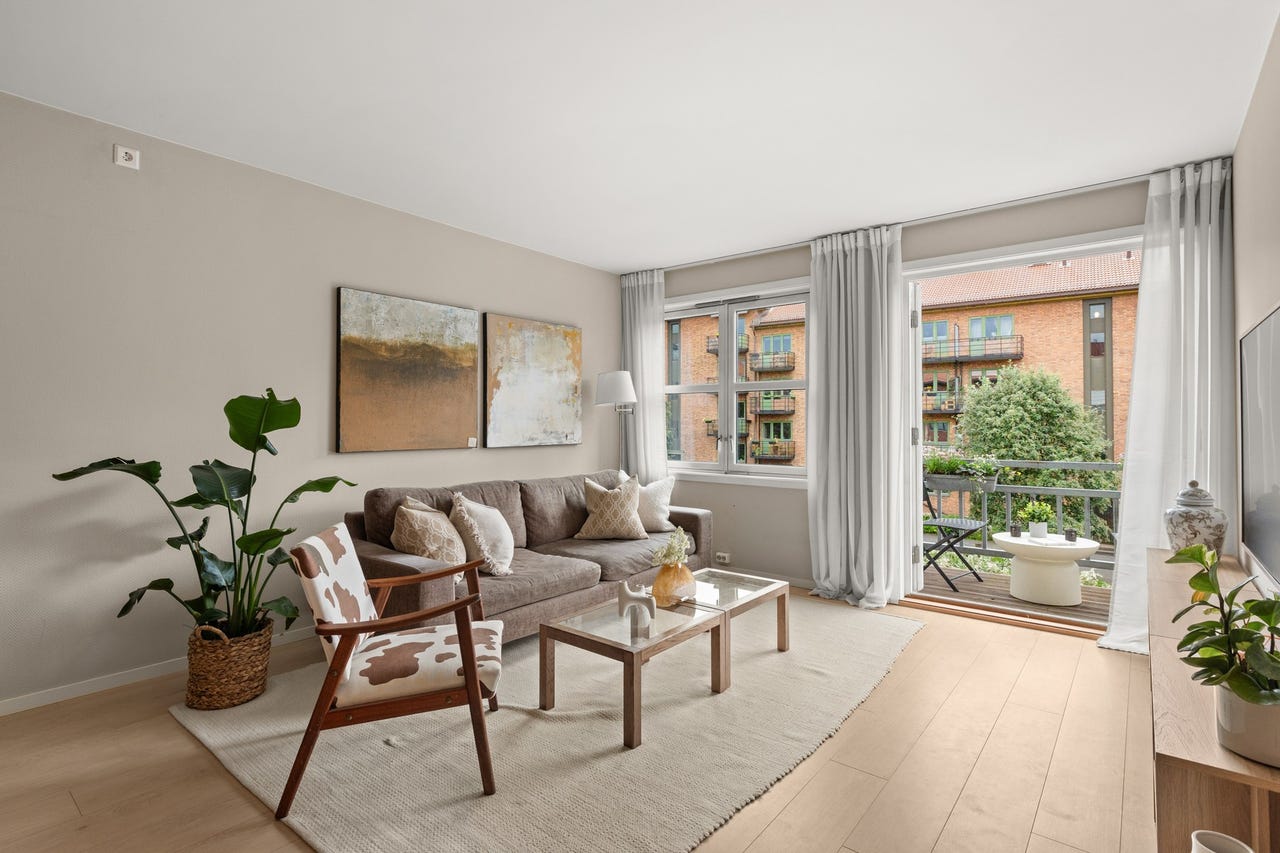
Oslo is the capital and the largest housing market in Norway. The city is diverse: the western districts around the Royal Palace and the fjordside development hold the highest prices, while Grünerløkka and the eastern Oslo neighborhoods around Tøyen attract young people with more accessible entry points. The catalog has 842 properties: apartments, houses, townhouses, commercial spaces and land plots. Prices start from $30,476, but understand that these are either small studios on the outskirts or plots for development.
The median price of NOK 117,811 per m² shows that Oslo is an expensive city, but prices vary greatly by district. Quality is valued here: energy-efficient homes, modern apartments with underground garages, and old villas in the western districts. Demand is supported by both local buyers and tenants, including students, specialists and business travelers.
What is the real price per square metre in Oslo?
The median is NOK 117,811/m². This means half of the properties are more expensive and half are cheaper. Prices vary noticeably by district: the central and western areas (Frogner, Majorstuen) cost more than the outskirts. The cost of an apartment at the median price per m² depends on its area, while the cheapest offers in the catalog start from $30,476.
Which districts of Oslo are considered the most interesting for buying?
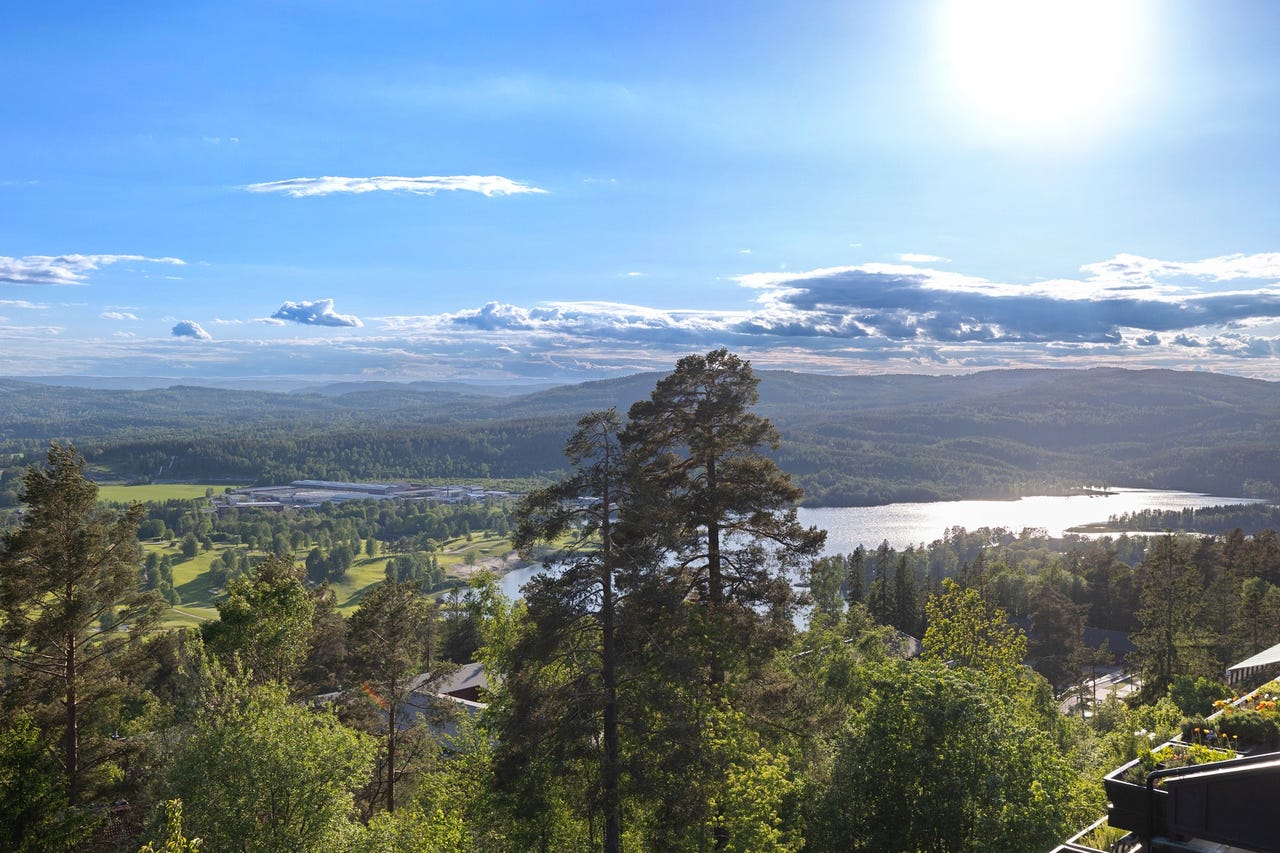
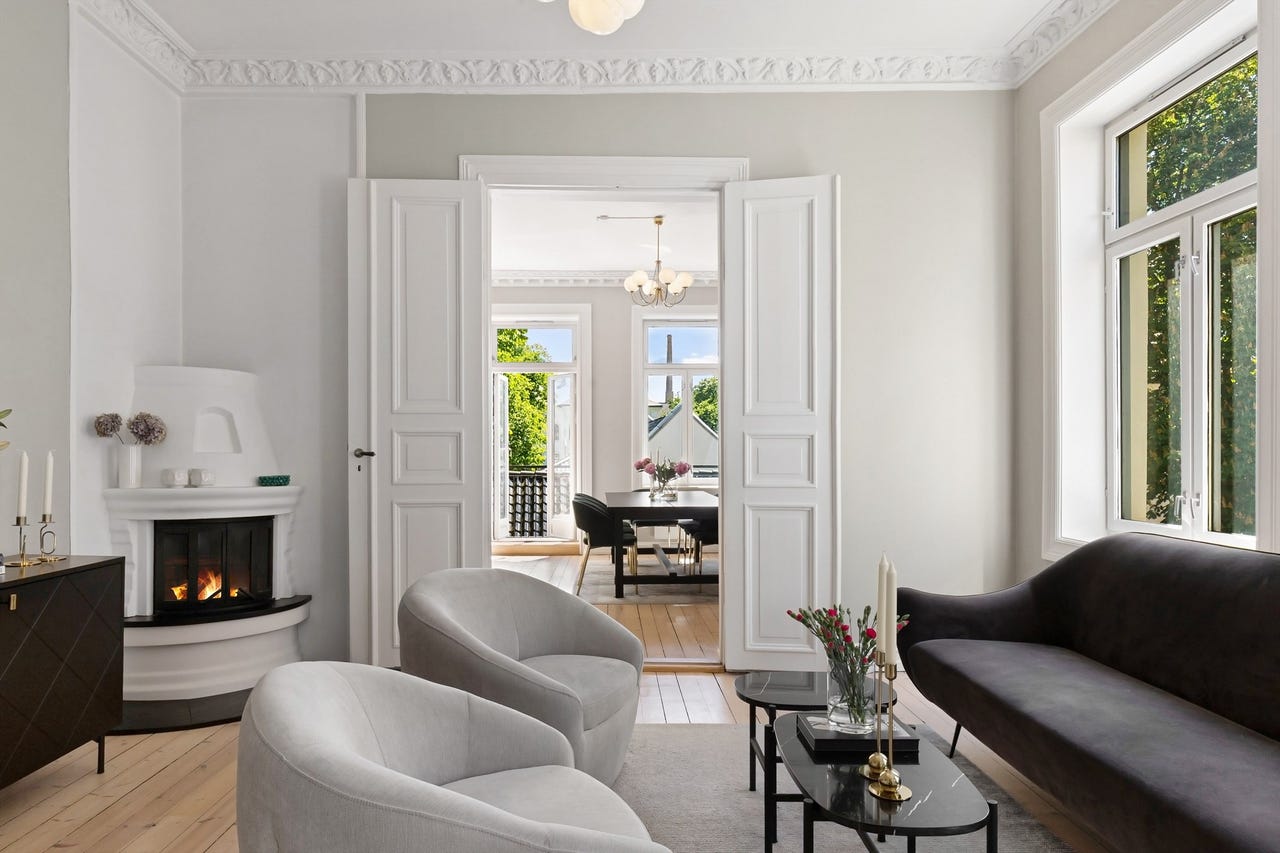
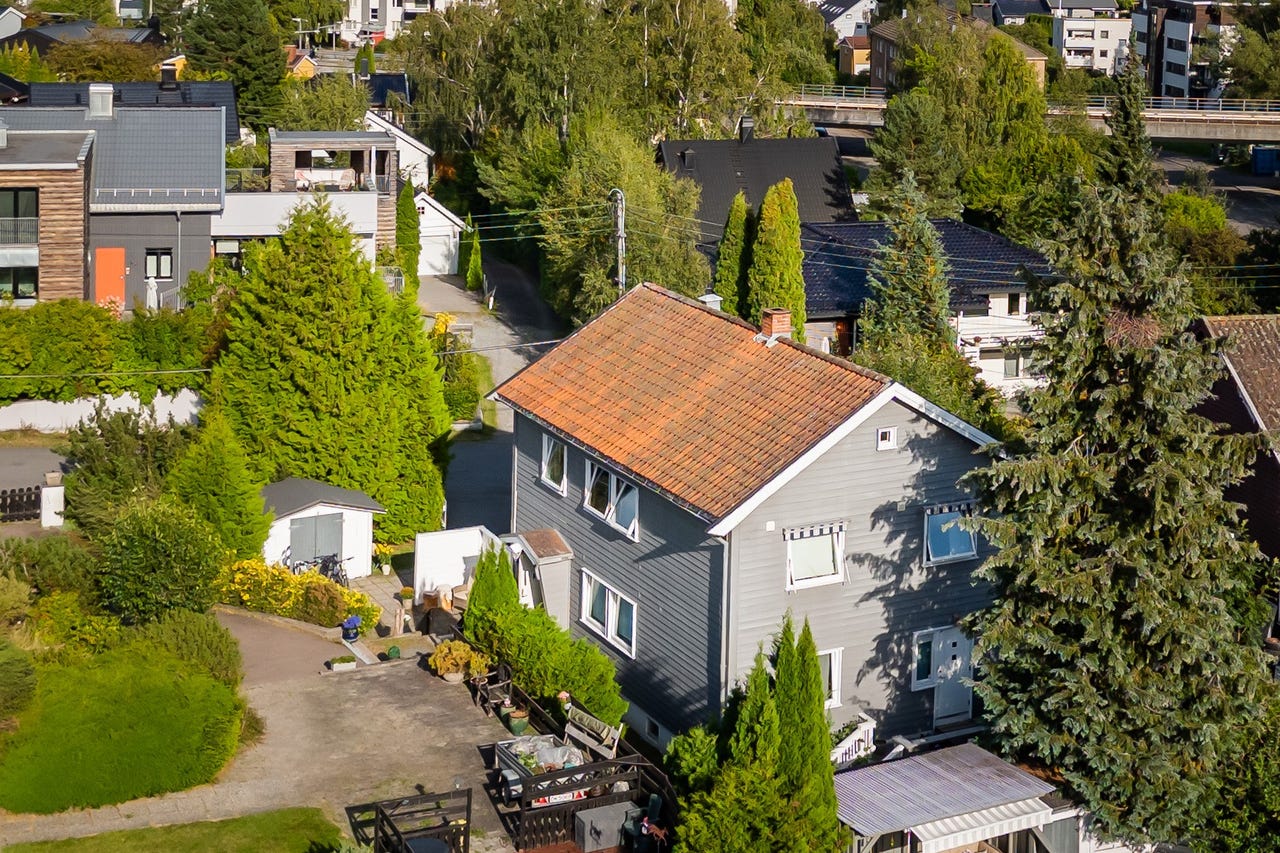
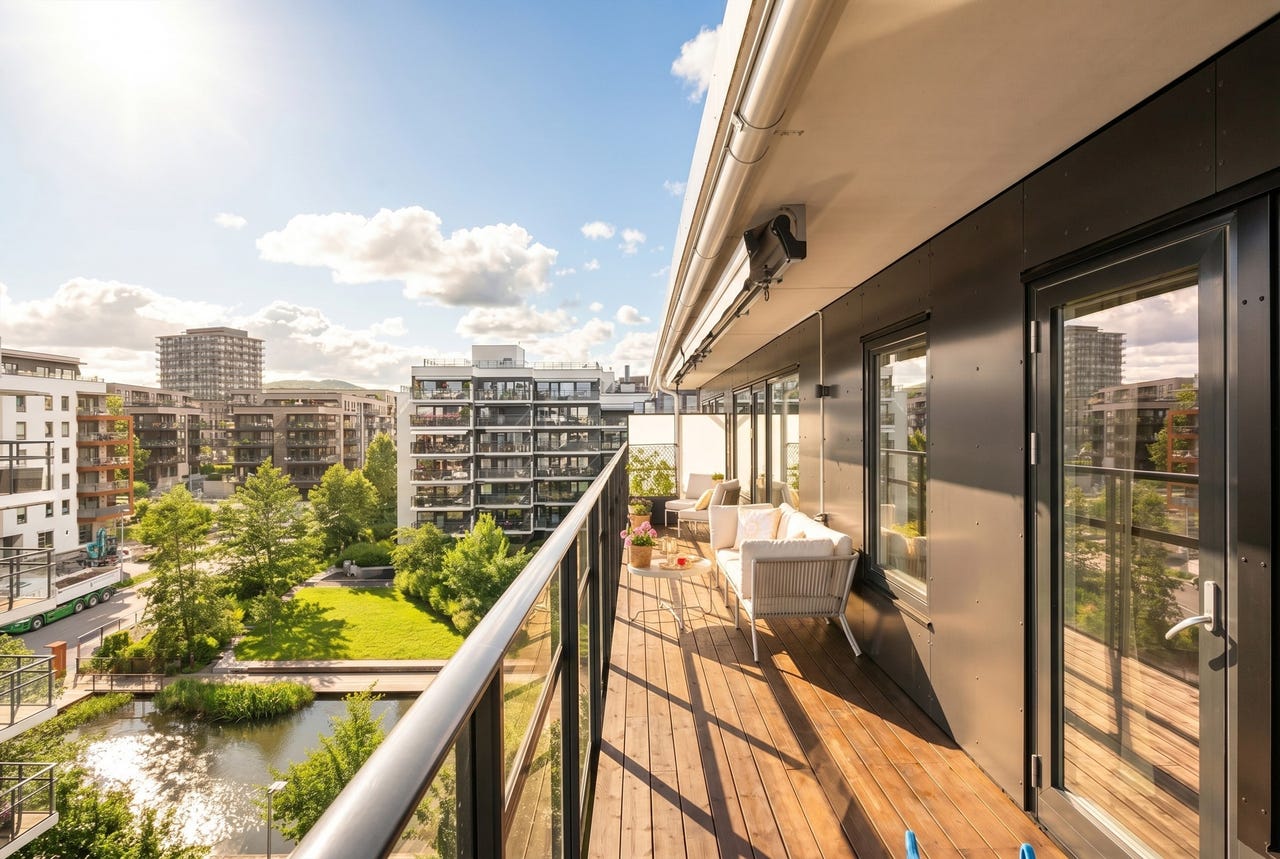
Frogner and Majorstuen are the prestigious west side next to the Royal Palace, with old residential buildings and villas. Grünerløkka is a district of cafés, galleries and young people, where lofts are prized. Bjørvika is new development by the fjord next to the opera. Tøyen and neighboring blocks of Gamle Oslo are cheaper than the center and are being actively renovated. In the north the city reaches the Nordmarka forests and Lake Sognsvann, where the districts are family-oriented. The choice depends on the goal: rental, living, or capital growth.
Is property available for rent? Which season is best?
Yes, rental demand in Oslo is steady year-round, driven by students, specialists and business travelers. In summer, tourists add to it. Yield depends on the district and property type; long-term rentals are regulated by law, and taxes and maintenance costs reduce net income.